

Student accommodation prices in the UK vary widely depending on location, property type, and what is included in the rent. Recent surveys show that the average rent of a student room in the UK is around £575 per month, with costs continuing to rise gradually year by year. From affordable student cities in the north of England to higher-priced markets like London, understanding accommodation costs is essential before starting university. This guide explores average prices, city-by-city differences, and the key factors that affect how much students pay for housing.
Average Cost of Student Accommodation in the UK
The average cost of student accommodation in the UK is around £150–£250 per week, or approximately £600–£1,000 per month. However, prices vary depending on the city, room type, contract length, and whether bills are included.
| Accommodation type | Average weekly cost |
| University halls | £120–£220/week |
| Shared student house | £90–£180/week |
| En-suite student accommodation | £150–£280/week |
| Studio apartment | £200–£400+/week |
Shared houses are usually the most affordable option, while private studios and modern purpose-built student accommodation (PBSA) tend to cost more due to extra privacy and facilities. Many PBSA properties include bills such as electricity, heating, water, and WiFi, which can make budgeting easier.
Students should also consider the full contract cost, as most UK student accommodation agreements last between 40 and 52 weeks. A slightly higher weekly rent with bills included may sometimes offer better value than a cheaper room with additional monthly expenses.
Accommodation costs are generally highest in London, while cities in the North of England and the Midlands often provide more affordable options.
Student Accommodation Costs in Popular UK Cities
Student accommodation costs in the UK vary significantly by city. London is the most expensive student housing market, with weekly rents often well above the national average. In contrast, many university cities in the North of England and the Midlands offer more affordable options. Comparing prices across different cities can help you choose a location that fits both your university plans and budget.
Student cities in the UK generally fall into three categories: affordable, mid-range, and expensive. The following breakdown shows what you can expect to pay in each.
Cities such as Coventry, Nottingham, and Lincoln often provide some of the lowest student accommodation costs in the UK. Students can often find rooms from around £100–£180 per week, making these cities popular choices for those looking to reduce living expenses.
Cost of Student Accommodation in Sheffield
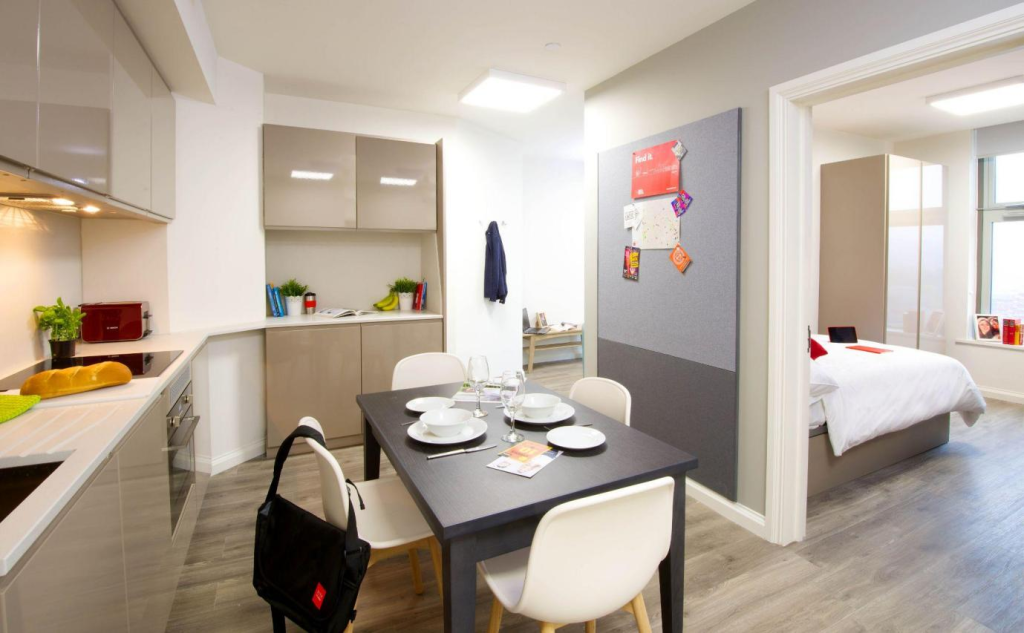
Sheffield ranks among the cheaper major student cities. The average cost of accommodation in Sheffield is around £490-£550 per month. Shared housing options start at £90-£150 per week. Purpose-built rooms in Sheffield cost a bit more but still offer good value. Students praise the city for its low living expenses and strong community feel. The University of Sheffield and Sheffield Hallam University are both close to the city centre, and you will find many students living within a 20-minute walk of campus. Ecclesall Road is popular for its shops and cafes, but rents there are slightly higher. If you are willing to walk a bit further or take the tram, areas like Crookes and Broomhill offer cheaper private student accommodation in Sheffield, with 24-hour security and on-site staff.
Cost of Student Accommodation in Leeds
Leeds is usually more affordable, with shared houses and student accommodation outside the city centre offering better value options. Students typically pay around £130–£220 per week (£520–£880 per month), depending on location and property type. Shared houses in areas like Hyde Park or Headingley are generally cheaper, while city-centre PBSA blocks cost more due to their convenience and facilities.
Cost of Student Accommodation in Birmingham
Birmingham is one of the UK’s most popular student cities. Compared with London and other major UK cities, Birmingham student accommodation is generally more affordable, with students typically paying around £150–£220 per week, depending on location and housing type. Areas such as Selly Oak are especially popular among University of Birmingham students because of their convenient location and wide range of shared houses. Many properties in this area come fully furnished, making the move-in process easier for new students. Edgbaston or Harborne offers more affordable housing options. With Birmingham’s reliable public transport network, living slightly further from campus can be a practical way to save on rent while still staying connected to university life.
Cost of Student Accommodation in Manchester
Student accommodation in Manchester usually costs around £150–£280 per week (£600–£1,100 per month). Shared houses in areas such as Fallowfield and Withington are often more affordable, while purpose-built student accommodation (PBSA) in the city centre and around Oxford Road tends to cost more due to its location and facilities.
Cost of Student Accommodation in Bristol
Bristol generally has higher student accommodation costs, with many students paying around £160–£280 per week, depending on location and room type.
Cost of Student Accommodation in Edinburgh
Edinburgh is one of the more expensive student cities in the UK. Students typically pay from around £175–£300 per week for accommodation, with private studios and centrally located properties costing more. High demand and limited availability can push prices higher, especially before the September intake.
Cost of Student Accommodation in London
Students in London pay the highest rents. Average monthly costs range from £700 to £1,000 or more for basic en-suite rooms in London. Weekly rents often range from £200 to £450, with bills included in many purpose-built student accommodations. Private rentals and studios cost even more. Central locations near universities like UCL or King’s College command premium prices. London’s rental market is notoriously competitive, and many students end up paying more than they initially budgeted. Most PBSAs in London include all bills, which saves you the hassle of setting up utility accounts, but the headline rent is still steep. If you are a full-time student looking at private rentals, you’ll be exempt from council tax, but you need to provide proof of student status to the council, and sometimes this can take a few weeks to process.
What Factors Affect UK Student Accommodation Costs?
Student accommodation prices in the UK are influenced by several factors, and the final rent depends on more than just the city you choose. Elements such as location, accommodation type, room size, included bills, and available facilities all contribute to the overall cost. Understanding these factors can help students compare options and choose housing that matches their budget and lifestyle.
Location
Location is one of the biggest cost factors. Homes near universities, city centres, and transport links usually cost more. Popular student areas often have higher rents because demand is strong.
Living further away can reduce costs. Many students choose off-campus student housing in nearby neighbourhoods and use buses or trains to reach campus.
Accommodation Type
The type of accommodation affects the price. University halls are common for first-year students. They are convenient and often include basic bills.
Purpose-built student accommodation (PBSA) usually costs more. These buildings are designed for students and often include services such as security, study areas, and social spaces.
Shared student houses are often the cheaper choice. Students split the rent and bills with housemates, which lowers the monthly cost.
Room Type
Room choice also changes the price. A room with a shared bathroom is usually the cheapest option. En-suite rooms cost more because students have their own bathroom. Studio apartments are usually the most expensive. They offer more privacy but cost more rent.
Bills and Utilities
Bills can change the real cost of accommodation. Some properties offer all-inclusive student accommodation, which covers electricity, water, heating, and WiFi.
Private rentals often work differently. Students may need to pay for gas, electricity, broadband, and other utilities separately. A cheaper rent does not always mean lower total costs.
Facilities and Services
Extra facilities usually mean higher rent. Gyms, study rooms, cinemas, laundry areas, and 24-hour security can add value but also raise prices. Basic properties without these extras are usually more affordable.
Demand and Availability
Supply and demand also affect prices. Cities with many students and limited housing often have higher rents. For example, London has some of the highest student accommodation costs in the UK because demand is strong and available rooms are limited. Edinburgh also faces high prices due to its popularity among local and international students. In contrast, cities like Sheffield and Coventry usually offer more affordable options because they have a wider range of student housing.
How to Save Money on Student Accommodation in the UK
Finding affordable student accommodation is not just about choosing the lowest rent. A cheaper room may come with extra bills, longer travel times, or fewer facilities. The best way to save money is to compare the full cost, understand your options, and choose accommodation that offers good value.
Start Searching Early
The earlier you start looking, the more choices you will have. Popular student areas and affordable rooms are often taken quickly, especially before the September intake.
Searching early allows students to compare different student accommodation options in the UK, including university halls, private student lets, and shared houses. uhomes.com is an informative accommodation platform that allows UK students to view available properties, compare prices, and check important details before making a decision.
Choose Shared Accommodation
Sharing accommodation is one of the easiest ways to reduce housing costs in the UK. A private studio may offer more privacy, but a shared house allows students to split rent and household bills with others. It is also worth comparing different accommodation types before booking. University halls are convenient for many first-year students, while off-campus student housing can sometimes provide better value, especially for students willing to live with roommates.
Consider More Affordable Areas
Choosing an area slightly further away can lead to significant savings. For example, living a short bus ride from campus may reduce rent while still keeping daily travel manageable. Students should compare rental prices with transport costs to find the best balance.
Check Bills and Contracts
Students should check whether utilities such as electricity, water, heating, and WiFi are included in the contract before signing. All-inclusive UK student accommodation may have a slightly higher rent, but it can make budgeting easier by avoiding unexpected bills. Private rentals may appear cheaper at first, but can become more expensive when utilities are added.
Students should also check contract length, deposit requirements, and cancellation policies. A 40-week contract may be a better value for students who return home during summer, while a 52-week contract may suit those staying in the UK all year.
Find Your UK Student Accommodation Online
When searching for student accommodation, using a reliable student rental website can save time and make price comparisons easier. uhomes.com is a trusted student accommodation booking platform that lets students compare UK student housing options by distance to university, price, room type, and facilities. Students can also check important details, such as whether bills are included, the contract length, and property features, before booking. This makes it easier to understand the real cost of accommodation and find a place that matches both their budget and needs.

Safety is an important factor when booking student accommodation online. uhomes.com works with authorised property providers and reputable PBSA operators across UK cities, helping students find reliable listings on open marketplaces. Students can also view property information, check previous tenant reviews, and understand accommodation policies before making a payment. Online booking offers added convenience by enabling students to complete the entire rental process remotely, from browsing properties and reserving a room to signing agreements and paying deposits before arriving. In addition, the rental website provides multilingual support to help students from different countries communicate more easily and get assistance throughout the accommodation booking process.
Conclusion
Choosing student accommodation is one of the first big decisions students make when starting university in the UK. While rent can take up a large part of the budget, the right choice does not always mean choosing the most expensive option. From shared houses in affordable cities to modern student apartments in larger markets, there are options for every budget and lifestyle. Careful planning, early research, and a clear understanding of costs can help students avoid surprises and find accommodation that works for them. After all, a good student home is more than just a place to sleep, it is where students build friendships, settle into a new city, and create memories during their university years.
