
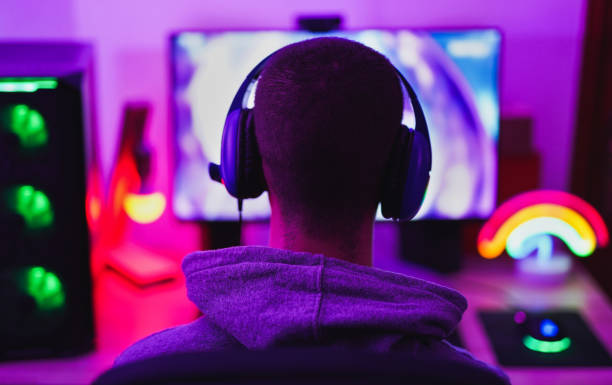
Online gaming is no longer simply a way to pass time alone. For millions of players, it is also a meeting place, a team activity, and a shared language. A quick match can become a weekly session, while a guild, clan, or squad can grow into a lasting community.
The social impact of gaming depends less on whether people play online and more on how they communicate, cooperate, manage conflict, and balance gaming with everyday life. Understanding these patterns can make multiplayer experiences more enjoyable and meaningful.
From Solo Entertainment to Shared Social Spaces
Modern online aucloud9 online casino games bring players together through team objectives, rankings, open worlds, voice chat, and community events. Even when people are physically far apart, they can solve problems, celebrate victories, and share memorable moments in the same digital space.
Research on large online-game networks has found recognizable social groups rather than only random, one-time contacts. Long-term engagement is often linked with tighter local clusters of players, reflecting how regular teams and friendship groups form around shared play.
Logging into a favourite game can therefore feel like arriving at a familiar social venue. Players recognize usernames, remember earlier matches, and develop expectations about one another’s roles and personalities.
Teamwork Strengthens Communication
Cooperative https://aucloud9.com/partnership games constantly ask players to exchange information. A team may need to call out an opponent’s position, explain a strategy, manage resources, or change plans within seconds. Good results depend on communication that is clear, timely, and relevant.
These situations encourage useful habits:
- Listening before reacting
- Giving short, understandable instructions
- Accepting feedback under pressure
- Adjusting communication for different teammates
- Staying focused after a mistake
Gaming Helps Existing Friendships Stay Active
Online games give friends an easy activity to share when work, study, travel, or distance makes in-person meetings difficult. Conversation does not have to be the main event. Friends can talk naturally while exploring, racing, building, or completing missions.
The game provides constant topics, goals, and moments of humour, which can make communication feel less forced. Research conducted during periods of physical distancing found that multiplayer players often treated social play as an important reason to keep gaming when normal face-to-face routines were disrupted.
Regular sessions can also create traditions. A Friday-night tournament, seasonal event, or yearly return to an older title becomes part of a group’s shared history. The memories may matter as much as the final score.
New Friendships Grow Around Shared Interests
Multiplayer games allow people to meet others outside their normal circles. Players can connect across regions, professions, age groups, and backgrounds through a common interest.
Friendship usually develops gradually. It may begin with reliable teamwork, continue through repeated matches, and eventually move into longer conversations. Recent research on gaming clans highlights shared language, group rituals, identity, and acceptance as important parts of belonging in online communities.
Trust should still grow at a sensible pace. Players should protect personal information, use privacy controls, and be careful when moving conversations to other apps. A friendly teammate can become a genuine friend without either person revealing private details immediately.
Competition Can Create Connection and Conflict
Competition gives social gaming much of its excitement. Close matches create strong emotions, while respectful rivalries can motivate improvement. The same pressure can lead to blaming or hostile chat when expectations are unclear.
A useful teammate separates criticism of a decision from criticism of a person. Saying, “Let’s defend the objective earlier next round,” offers a solution. Saying, “You always ruin the match,” only increases tension.
When communication becomes disruptive, muting, blocking, reporting, or leaving a group can protect the experience. These tools are part of managing an online social environment responsibly.
How to Build Healthier Gaming Relationships
Players can improve the social side of gaming through deliberate choices. Join communities whose rules match the atmosphere you want. Use voice chat to support the team rather than dominate it. Welcome newer players, and give advice without turning every session into a lecture.
It also helps to discuss schedules and goals. One teammate may want serious ranked progress, while another wants a relaxed evening. Clarifying the purpose of a session prevents many avoidable disagreements.
Maintain variety in your social life as well. Online friendships are real relationships, but gaming should not remove time needed for sleep, responsibilities, movement, or face-to-face connections. Balance usually makes gaming sessions feel fresher rather than less important.
Conclusion
Online gaming has changed social interaction by giving people active spaces in which to cooperate, compete, talk, learn, and build communities. Its strongest value comes from shared experiences: the difficult match won together, the joke remembered for months, or the teammate who becomes a trusted friend. For gaming enthusiasts, communication is part of the game itself. Respectful teamwork, sensible boundaries, and realistic expectations can turn multiplayer gaming into a rewarding form of social connection.
