
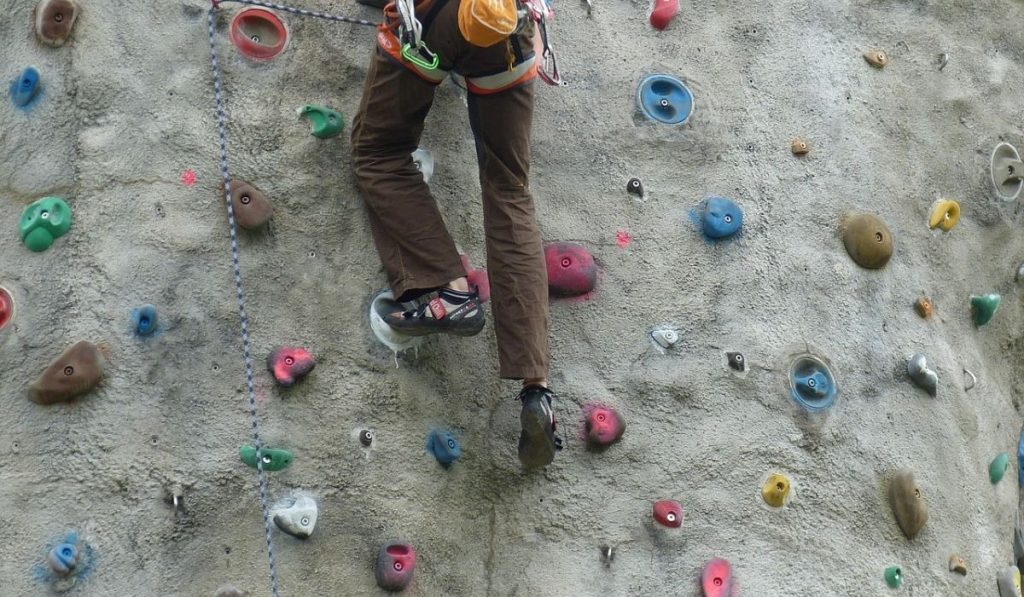
Outdoor adventure activities are not only fun but can also build character, foster collaboration, improve communication, and boost physical self-confidence. Be it school programmes, youth courses, family trips, or group expeditions, appropriate outdoor activities will help to involve interaction with nature and active learning, not in a classroom or indoor environment. Specially designed programmes include a broad range of land- and water-based adventures offered by many organisations, such as Outdoor Learning and Adventure Activities for Kids and Teens (Action4Youth), for all ages and abilities. Such activities are particularly potent when planned with clear development objectives.
Here, we discuss the key outdoor adventure activities, their benefits for participants, and offer practical ideas you can apply in other environments.
Abseiling – Confidence Through Controlled Challenge
Abseiling, also known as rappelling, is the controlled descent of steep slopes or designed towers. It is best for developing self-confidence and concentration.
Why It Works:
- Promotes the belief in safety gear and supervised process.
- Enhances motor abilities and spatial perception.
How to Try It:
Partner with a certified instructor or outdoor centre. Use low heights and advance slowly as one gains confidence.
It is among the fundamental activities offered at adventure centres like Adventure Activities for Kids & Teens and Outdoor Learning Action4Youth.
Archery – Precision and Focus in Nature
Skill Focus:
- Hand-eye coordination
- Safety awareness
- Goal setting
This customary behavior may be included in a broad outdoor program and stimulates both mental attention and physical proficiency.
Bushcraft and Camp Craft – Survival Skills in the Wild
Bushcraft involves practical skills such as building a shelter, using fire safely, knot tying, and navigating in the woods. The experiences not only teach us how to survive but also make us respect the environment.
Benefits:
- Enhances problem-solving
- Uses sustainable practices.
- Encourages teamwork
Bushcraft in structured outdoor adventure courses can involve practical challenges that blend exploration and hands-on learning activities.
Orienteering – Navigate Your Path
Orienteering is one of the traditional outdoor adventure activities that teaches navigation skills using maps and compasses. It does not matter whether you take it as a leisurely stroll in the woods or as a competitive sport; it still stimulates the use of strategies.
Learning Outcomes:
- Spatial reasoning
- Making decisions under pressure.
- Team cooperation
Depending on the terrain, orienteering can be held in parks and forests, or even in a schoolyard.
High Ropes & Jacob’s Ladder – Teamwork and Trust
Jacob’s Ladder and High Ropes courses are very exciting team-building activities. The competitors move over high structures using safety gear.
Why They Are Engaging:
- Increase self-esteem to an elevated level.
- Enhance communication ability.
- Encourage support for each other.
The activities are a mainstay of organised outdoor programmes and aim to promote teamwork and personal success.
Paddle Sports – Water‑Based Adventure and Coordination
Paddle sports, including canoeing, kayaking, and stand-up paddleboarding, are associated with balance, water awareness, and physical activity.
Key Benefits:
- Strengthens the upper body and the core.
- Promotes water confidence
- Presents a harmonious relationship with nature.
These activities are excellent for team activities and can be adjusted from light paddling on lakes to full-scale river trips.
Raft Building – Creativity Meets Teamwork
Raft building is an activity that puts groups to the test as they build a floating object using scarce resources, only to see how well it withstands water.
Skills Developed:
- Creative problem solving
- Cooperation
- Resource planning
This type of outdoor adventure sport combines engineering principles and fun, and may be a part of youth and leadership development programmes.
Sailing and River Studies – Skills on the Water
Sailing is an adventure activity that is specialised as it involves navigation, understanding the wind, and team coordination. River studies will focus on ecosystems, water movement, and the environment.
What You Gain:
- Rudimentary boating experience.
- Water safety proficiency
- Scientific curiosity
Several outdoor adventure learning centres offer introductory sailing lessons tailored to various skill levels.
Zorbing and Fun Challenges – Adrenaline and Confidence
Zorbing is an adventure-based, fun-centric game that involves a person rolling down a hill in a huge inflatable ball. Although not conventional, it is a fun way to combine exercise with a good laugh.
Value:
- Promotes group involvement.
- Alters the pattern of normal endeavors.
- Offers an inclusive, accessible adventure choice.
Inclusive Outdoor programmes – many outdoor activities, such as zorbing, can be modified to accommodate large groups.
Low Ropes Courses – Inclusive Team Development
Low ropes courses are like high ropes courses, except they are not far off the ground, and their emphasis is more on teamwork than on height. They present accessible team-building features to younger children or other groups that are less comfortable with heights.
What They Build:
- Communication strategies
- Trust among peers
- Shared goal achievement
Such activities are very effective in schools, clubs, or group retreats.
Additional Outdoor Adventure Activities to Consider
Besides the above, there are numerous outdoor adventure activities that may develop physical and cognitive skills:
- Nature Scavenger Hunts: Problem-solving and observation by making nature lists and critical thinking.
- Camping and Bush Walks: Learn self-reliance and environmentalism.
- Mini Expeditions and Hiking: Encourage stamina and adventure.
Such activities help groups or individuals relate to nature, build resilience, and enhance attachment.
Conclusion: Choosing the Right Outdoor Adventure Activities
Outdoor adventure activities unlock potential, foster important life skills, and create long-lasting memories. Whether you do organised programmes with professional guidance, such as those mentioned in the case of Outdoor Learning and Adventure Activities for Kids and teens, or Action4Youth, the benefits are not only recreational but can be far wider.
Choosing the appropriate mix of difficulty, learning, physical activity, and fun allows participants of any age to derive the best out of their outdoor activities. Outdoor adventure activities can be enlightening and thrilling when carefully planned, with safety taking a central role.
