
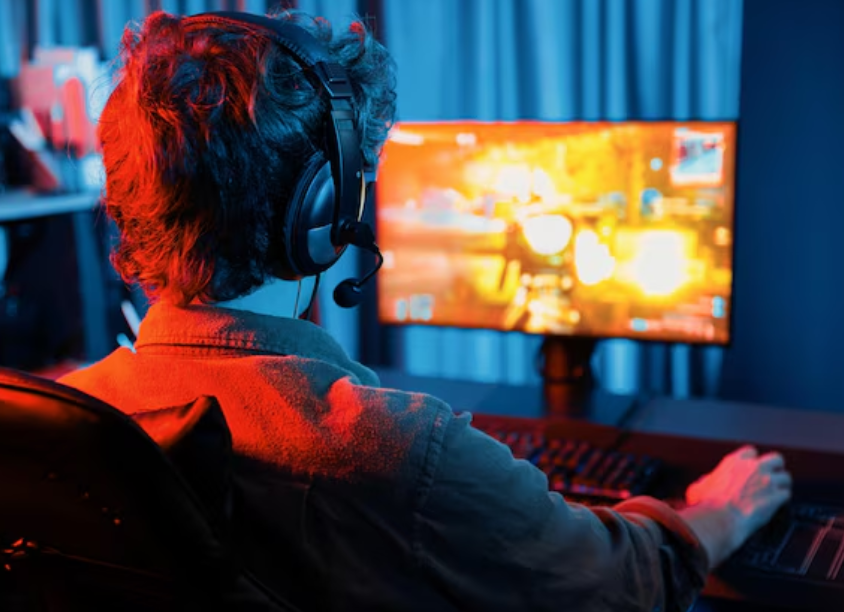
Online gaming has transformed the way people interact with digital entertainment. In the past, gaming was often viewed as a mostly individual activity, where players enjoyed experiences on a single device or competed with friends in the same physical space.
Today, online platforms have created connected environments where people can play, communicate, compete, and explore new experiences with others from different locations.
This shift has changed not only the technology behind games but also player habits. Modern gamers now expect smoother connections, social features, flexible access, and experiences that continue to evolve over time. Online gaming has become a broader digital activity that combines entertainment, creativity, and community interaction.
Gaming Has Become More Connected Than Ever
One of the biggest changes brought by online gaming is the ability to connect players across different regions. A person no longer needs to be in the same room as friends or opponents to share a gaming experience.
Multiplayer features have created new forms of interaction where players can work together, compete against each other, and build communities around shared interests. This has made gaming feel more social and interactive.
Online Communities Shape Player Experiences
Gaming communities have become an important part of modern play. Players often communicate through in-game chat, forums, streaming platforms, and social networks. These spaces allow people to exchange strategies, discuss updates, and share their experiences.
For many gamers, the community surrounding a title becomes just as meaningful as the game itself. The ability to connect with others who share similar interests has added a new dimension to digital entertainment.
Accessibility Has Changed How People Start Playing
Online gaming has made it easier for more people to discover and access different types of games. Players can explore a wide range of genres without needing specialized equipment or physical copies.
Digital platforms allow users to download games, access updates, and continue playing across multiple devices. This convenience has encouraged more casual players to participate alongside experienced gamers.
Mobile Gaming Expanded the Audience
The growth of smartphones has played a major role in making online gaming more accessible. Mobile devices allow people to enjoy gaming experiences during short breaks, while travelling, or whenever they have free time.
Mobile gaming has introduced a wider audience to digital entertainment because players can begin with simple controls and gradually explore more advanced features.
Game Design Has Evolved Around Player Behaviour
Online gaming has influenced how developers create experiences. Instead of designing games that remain unchanged after release, many modern titles continue to develop through updates, new content, and player feedback.
Developers now focus on creating experiences that encourage exploration, learning, and long-term engagement. Features such as seasonal events, customization options, and community activities help keep games fresh.
Platforms such as DRAGON222 represent the broader trend of online gaming environments that focus on providing accessible digital experiences where players can interact with modern gaming formats.
Competition Has Taken New Forms
Online gaming has changed the meaning of competition. Players can now participate in matches, tournaments, and challenges against opponents from around the world.
Competitive gaming has grown beyond traditional multiplayer sessions. Many players now follow professional gaming events, watch live streams, and learn techniques from experienced players.
Skills and Strategy Matter More
Modern online games often reward problem-solving, teamwork, and strategic thinking. Players are encouraged to develop skills, understand game mechanics, and cooperate with others.
This has created a gaming culture where improvement and learning are important parts of the experience. Players often return not only for entertainment but also for the opportunity to develop their abilities.
Flexible Playing Styles Have Become More Common
Online gaming has introduced more options for different types of players. Some people enjoy short sessions during free moments, while others prefer longer experiences with deeper progression systems.
Games are increasingly designed to support different schedules and preferences. This flexibility allows players to choose how they want to engage rather than following a single traditional format.
Common examples include:
- Quick sessions designed for short breaks
- Long-form adventures with ongoing progress
- Social games focused on interaction
- Competitive experiences built around challenges
This variety has helped online gaming appeal to a broader audience.
Technology Continues to Improve Gaming Experiences
Advancements in internet speed, graphics technology, cloud systems, and device performance have changed what players expect from games.
Faster connections allow smoother multiplayer experiences, while improved hardware supports more detailed worlds and complex gameplay systems.
Future Gaming Experiences Will Focus on Interaction
The future of online gaming is likely to continue emphasizing connection and personalization. Players increasingly want experiences that adapt to their preferences, allow meaningful interaction, and provide opportunities to participate in evolving digital spaces.
As technology develops, online gaming will continue blending entertainment with social experiences, creativity, and competition.
Conclusion
Online gaming has changed the way people play by making digital entertainment more connected, accessible, and interactive. Players are no longer limited to single-device experiences or local competition. They can now communicate, compete, and explore gaming worlds with people across the globe.
The biggest change is that gaming has become an ongoing experience rather than a one-time activity. Communities, updates, mobile access, and evolving game designs have created a new approach to play that continues to grow with changing technology and player expectations.
