
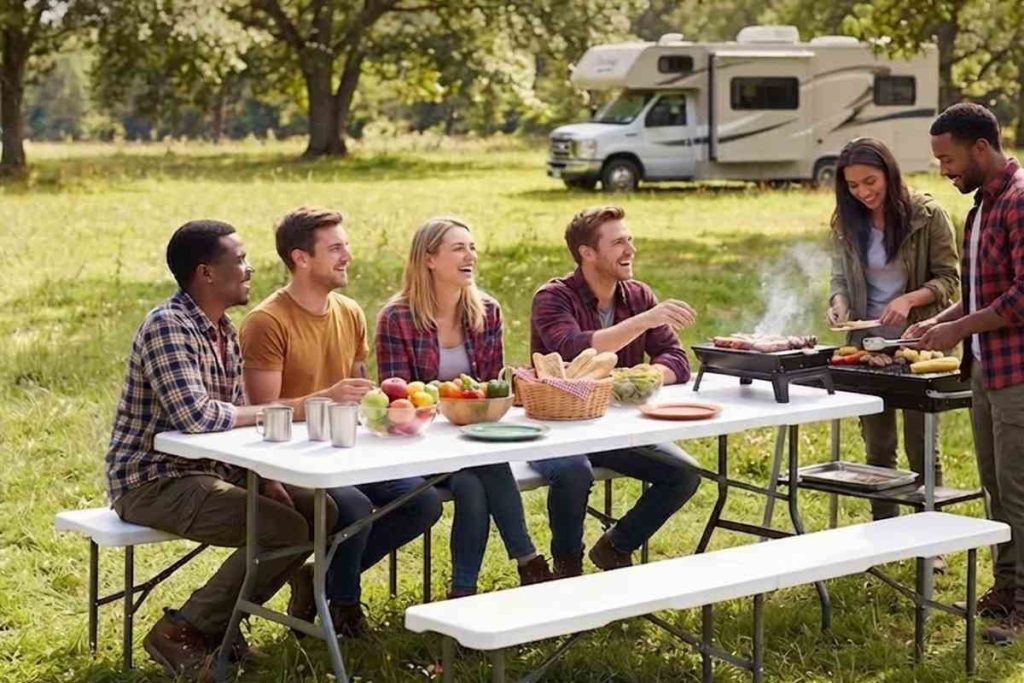
A weekend camping trip is a great way to step away from busy routines, enjoy nature, and spend quality time outdoors. However, a successful trip depends on more than simply packing a tent and sleeping bag. A well-planned campsite with essentials such as a camping table can make your adventure more relaxing, organized, and enjoyable.
Building a comfortable camping setup does not require expensive equipment or an overloaded vehicle. The key is to choose practical items, prepare for changing weather, and organize your campsite according to how you plan to spend your time. From selecting the right shelter to creating a cozy sleeping area, thoughtful preparation can turn a simple outdoor trip into a memorable experience.
Choose the Right Tent
Your tent is the foundation of your campsite. Choose a model that provides enough space for everyone without being unnecessarily large or difficult to transport. Consider the number of campers, expected weather, and the length of your trip before making a decision.
For weekend trips, a tent with easy setup and good ventilation can save time and improve comfort. Look for waterproof materials, strong poles, secure zippers, and adequate airflow. If you are camping with children, having a little extra interior space can also make the tent feel less crowded.
When selecting a campsite, choose level ground that is free from sharp rocks, branches, and areas where water could collect. Avoid setting up directly under weak or damaged trees, especially when strong winds or storms are possible.
Create a Cozy Sleeping Area
Good sleep is one of the most important parts of an enjoyable camping trip. Even a beautiful campsite can become unpleasant if you spend the night feeling cold, uncomfortable, or unable to rest. Creating a comfortable camping experience starts with choosing the right sleeping essentials.
Start with an insulated sleeping pad or air mattress that provides enough cushioning and protection from the cold ground. Pair it with a sleeping bag suitable for the expected temperature. A small camping pillow can provide additional comfort without taking up much space.
Consider bringing a lightweight blanket for extra warmth during cooler nights. Keeping sleep-related items together also makes nighttime organization easier and prevents you from searching through bags after dark.
Plan Your Campsite Layout
A smart campsite layout keeps frequently used items within easy reach while separating cooking, sleeping, and relaxation areas. Before unpacking everything, think about how you will move around the campsite throughout the day.
Place the tent in a protected area, then establish a cooking and food-preparation zone a safe distance away. Keep food stored securely and follow the rules of the campground or outdoor area. A separate sitting space with chairs or a ground mat can become the main area for relaxing, reading, or enjoying conversation.
Simple camping setup ideas such as using storage boxes, hanging organizers, and labeled bags can prevent clutter. Keeping similar items together also makes packing up at the end of the trip much faster.
Pack a Practical Kitchen
You do not need a complete kitchen to prepare satisfying meals outdoors. A compact stove, fuel, cookware, utensils, and basic food-storage containers are usually enough for a short trip. Adding a camping table can provide a convenient surface for preparing meals, organizing ingredients, and serving food.
Good kitchen organization can make outdoor cooking much easier. Keep cooking utensils together, place frequently used ingredients within reach, and store food in sealed containers to protect it from moisture and insects.
Plan meals before leaving home and prepare ingredients in advance whenever possible. Pre-cut vegetables, portioned ingredients, and simple recipes can reduce cooking time at the campsite.
A basic outdoor kitchen may include:
- Camping stove and suitable fuel
- Lightweight pot or pan
- Reusable plates, cups, and utensils
- Water containers
- Cooler or food-storage box
- Biodegradable soap and cleaning supplies
Always keep cooking equipment stable and follow local fire-safety regulations. Never leave an open flame unattended.
Bring the Right Gear
Packing efficiently is about choosing useful items rather than bringing everything you own. Make a checklist based on the location, weather, activities, and number of campers.
Essential outdoor adventure gear may include a headlamp, flashlight, first-aid kit, weather-appropriate clothing, rain protection, navigation tools, sunscreen, insect protection, and a power bank. A multi-purpose tool can also be useful for minor campsite tasks.
For beginners, it is better to understand how each item works before arriving at the campsite. Test your stove, lantern, tent, and other equipment at home so you are not trying to learn everything after sunset.
Prepare for Weather
Weather can change quickly, particularly in areas with unpredictable conditions. Check the forecast before leaving and prepare for temperatures that may differ from daytime conditions.
Pack layers instead of relying on one heavy piece of clothing. A waterproof jacket, warm layer, breathable base layer, and extra socks can make a significant difference. Keep important clothing and bedding inside waterproof bags or containers to protect them from unexpected rain.
Shade is also important during warm-weather trips. A tarp or canopy can create a comfortable place to sit while protecting campers from direct sunlight or light rain.
Keep Family Camping Simple
When children are joining the trip, organization becomes even more important. Pack familiar snacks, comfortable clothing, entertainment, and age-appropriate activities. A small outdoor game, book, drawing materials, or nature activity can keep children engaged without requiring electronic devices.
Some family camping essentials include:
- Extra clothing and footwear
- Child-friendly sleeping arrangements
- Snacks and plenty of drinking water
- Basic first-aid supplies
- Personal hygiene items
- Simple outdoor games and activities
Give children small responsibilities, such as organizing their sleeping bags or helping collect safe items for the campsite. This can make them feel involved while teaching them practical outdoor skills.
Create a Relaxing Space
A campsite should be more than a place to sleep. Creating a dedicated relaxation area can make the entire trip feel more comfortable. Folding chairs, a compact table, and a ground mat can provide a convenient place for meals and conversations.
Lighting also affects the atmosphere. Use lanterns or rechargeable lights around common areas while keeping stronger lights away from sleeping spaces. Avoid excessive lighting so you can still enjoy the natural surroundings and night sky.
If you enjoy reading or relaxing outdoors, bring a lightweight chair and a small personal item that helps you unwind. The goal is to create a space that feels practical without becoming overloaded.
Stay Organized
Organization saves time and reduces stress. Instead of placing everything randomly inside your vehicle or tent, use separate bags or containers for cooking supplies, clothing, sleeping equipment, and personal items. A camping table can also serve as a central location for frequently used items, making them easier to find throughout the day.
Keep frequently used objects in accessible locations. For example, flashlights should be easy to reach, while emergency supplies should always remain in a known location.
Following simple weekend camping tips such as checking your equipment before departure, preparing meals in advance, and maintaining a packing checklist can make short trips much smoother.
Choose Compact Equipment
Space is often limited during weekend adventures, so every item should have a purpose. Lightweight chairs, folding tables, compact cookware, and collapsible storage containers can reduce the amount of room your equipment requires.
Investing in reliable portable camping equipment can also make transportation easier, particularly if you regularly travel to different campsites. Choose durable products that are simple to pack and comfortable to use rather than focusing only on the smallest possible size.
Leave No Trace
A comfortable campsite should also respect the natural environment. Keep your belongings organized, dispose of waste properly, and avoid damaging plants or disturbing wildlife.
Before leaving, inspect the entire campsite and make sure you have collected all trash and personal belongings. Follow local regulations regarding fires, waste, water use, and wildlife protection.
Why Trust Garvee for Camping Gear?
Garvee offers practical camping gear designed to make outdoor trips more convenient and enjoyable. From camping furniture and storage solutions to useful outdoor accessories, its range can help campers create an organized setup without making packing unnecessarily complicated. Choosing reliable equipment can make a noticeable difference when preparing for short weekend adventures.
For campers who value convenience, durability, and practical design, Garvee can be a useful option when selecting equipment for different outdoor needs. Having dependable gear can simplify campsite preparation and allow you to focus more on relaxing, exploring nature, and enjoying time with family or friends.
Final Thoughts
A great camping setup is built around comfort, simplicity, and preparation. You do not need a large collection of expensive equipment to enjoy a weekend outdoors. A suitable tent, comfortable sleeping system, practical cooking supplies, and a camping table can provide the foundation for an organized and enjoyable campsite.
By planning your layout, checking the weather, preparing meals, and packing only useful equipment, you can spend less time dealing with campsite problems and more time enjoying nature. With a little preparation, every weekend trip can become a relaxing opportunity to disconnect from everyday life and reconnect with the outdoors.
