
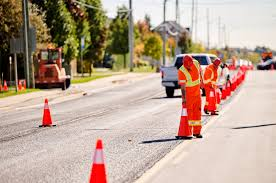
Construction zones are constantly evolving environments where risks can change within minutes. From shifting layouts to unpredictable driver behavior, maintaining safety requires more than basic planning. Traffic control services bring specialized strategies that go beyond traditional methods, helping to reduce risks in smarter and more adaptive ways.
Adapting to Changing Site Conditions
Construction zones rarely remain static. As projects progress, lane closures, detours, and equipment placement often change. Traffic control services reduce risk by continuously updating traffic management plans based on real-time site conditions.
Instead of relying on a fixed setup, professionals adjust layouts to match current activities. This flexibility ensures that drivers always receive accurate guidance, preventing confusion caused by outdated signage or poorly aligned routes.
Minimizing Blind Spots Around Heavy Equipment
Excavators, cranes, and trucks often have blind spots that make them dangerous for both the people operating them and the people driving them. Traffic control services help reduce these risks by positioning barriers, cones, and directional indicators strategically.
By clearly separating equipment movement areas from vehicle paths, they minimize the chances of drivers entering hazardous zones. This careful arrangement allows machine operators to work more confidently while reducing unexpected encounters.
Controlling Traffic Speed More Effectively
Speed is one of the most critical factors in construction zone accidents. Traffic control services implement techniques that naturally encourage drivers to slow down without relying solely on enforcement.
Gradual lane narrowing, visual cues, and staggered signage help create a psychological effect that prompts drivers to reduce speed. This approach is often more effective than simple warning signs because it influences behavior in a subtle yet impactful way.
Enhancing Nighttime Visibility
Construction often continues after dark, which increases risks due to reduced visibility. Traffic control services address this by improving how the construction zone is seen at night.
Reflective materials, well-positioned lighting, and illuminated signage ensure that drivers can clearly identify lanes, workers, and hazards. As a result, accidents caused by poor visibility are less likely to happen, and activities at night are safer.
Preventing Unauthorized Access to Work Zones
One overlooked risk in construction zones is unauthorized entry by pedestrians or vehicles. Traffic control services help prevent this by creating clear boundaries and controlled entry points.
Barriers and access control measures ensure that only authorized personnel and vehicles can enter restricted areas. This reduces the chances of unexpected disruptions that could lead to accidents or delays.
Managing Driver Behavior Under Stress
Drivers often feel stressed or impatient when navigating construction zones, especially during peak traffic hours. This stress can lead to aggressive driving, sudden lane changes, or ignoring instructions.
Traffic control services design layouts that reduce frustration by keeping traffic moving as smoothly as possible. Clear directions, logical detours, and reduced waiting times help drivers stay calm, which significantly lowers the risk of reckless behavior.
Integrating Technology for Better Monitoring
Modern traffic control services increasingly use technology to monitor and manage construction zones. Cameras, sensors, and communication systems provide valuable insights into traffic patterns and potential hazards.
Teams can use this information to quickly make smart choices, like changing the flow of traffic or dealing with traffic jams before they get dangerous. A professional traffic control company for construction projects often leverages these tools to enhance overall safety and efficiency.
Reducing Environmental Disruptions
Construction zones can be affected by weather conditions such as rain, fog, or extreme heat. Traffic control services take these factors into account when planning safety measures.
For example, they may adjust signage placement for better visibility in fog or ensure that surfaces remain safe for vehicles during wet conditions. By addressing environmental challenges, they reduce risks that might otherwise go unnoticed.
Supporting Emergency Response Access
In case of an emergency, quick access to the construction zone is essential. Traffic control services ensure that routes remain accessible for emergency vehicles at all times.
By planning clear access points and avoiding unnecessary obstructions, they enable faster response times. This level of readiness can make a big difference in how bad accidents or medical situations are.
Conclusion
Traffic control services focus on being flexible, clear, managing behavior, and keeping an eye on things more closely to lower risks in building zones. Their ability to see problems coming and act quickly makes things safer for both workers and drivers. They help turn complicated building sites into safe and well-run places by coming up with new ideas and carrying them out carefully.
